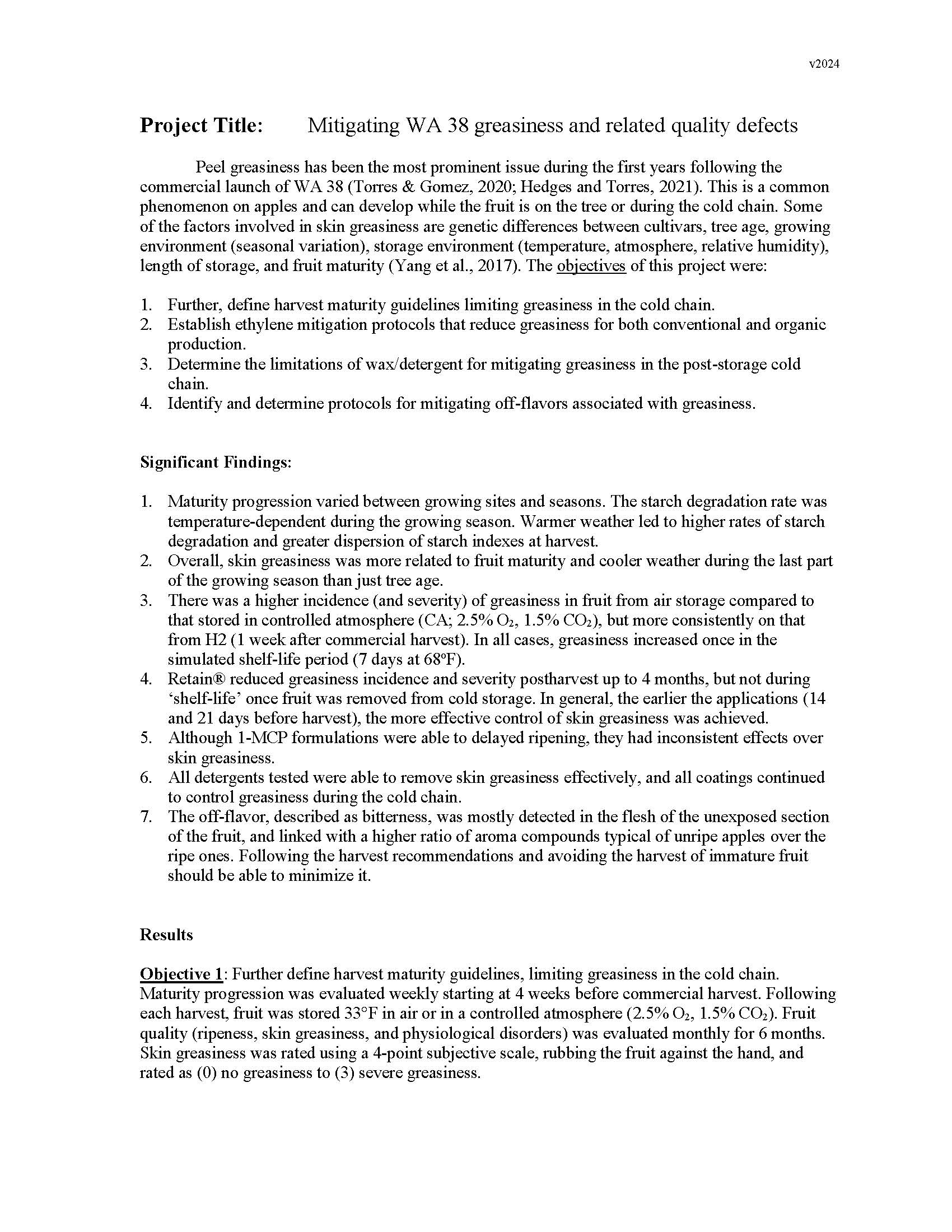
Mitigating WA 38 greasiness and related quality defects
Author: Carolina Torres
Published: 2026
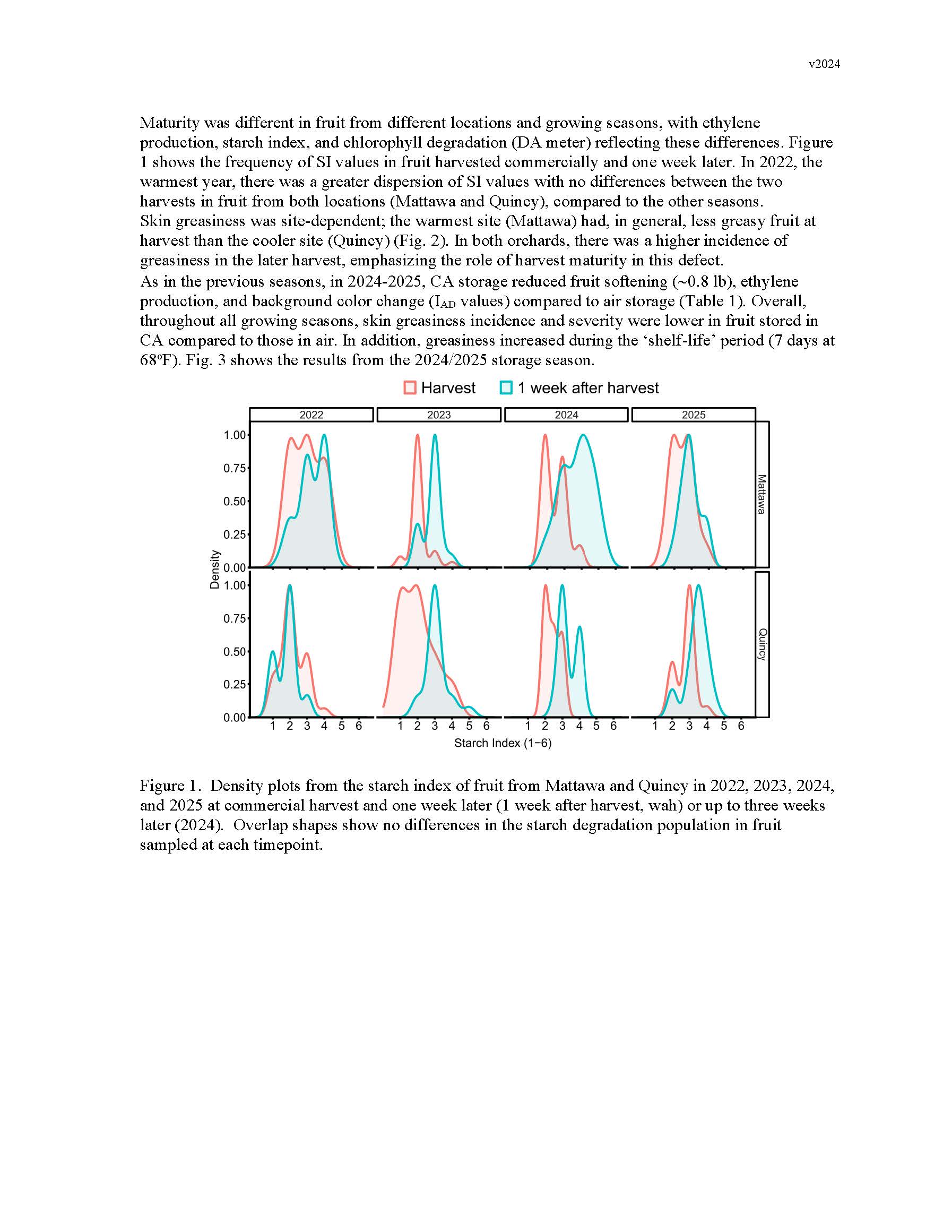
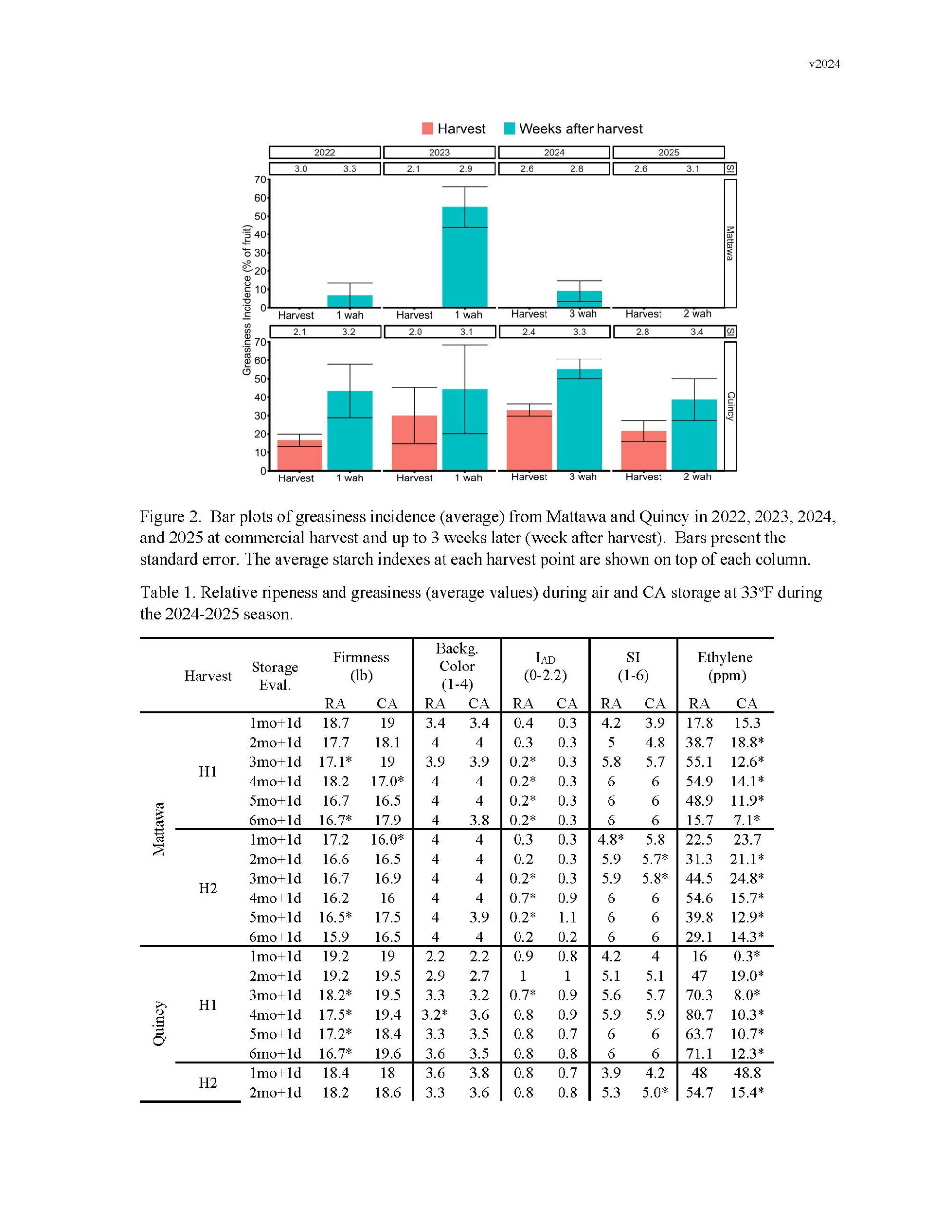
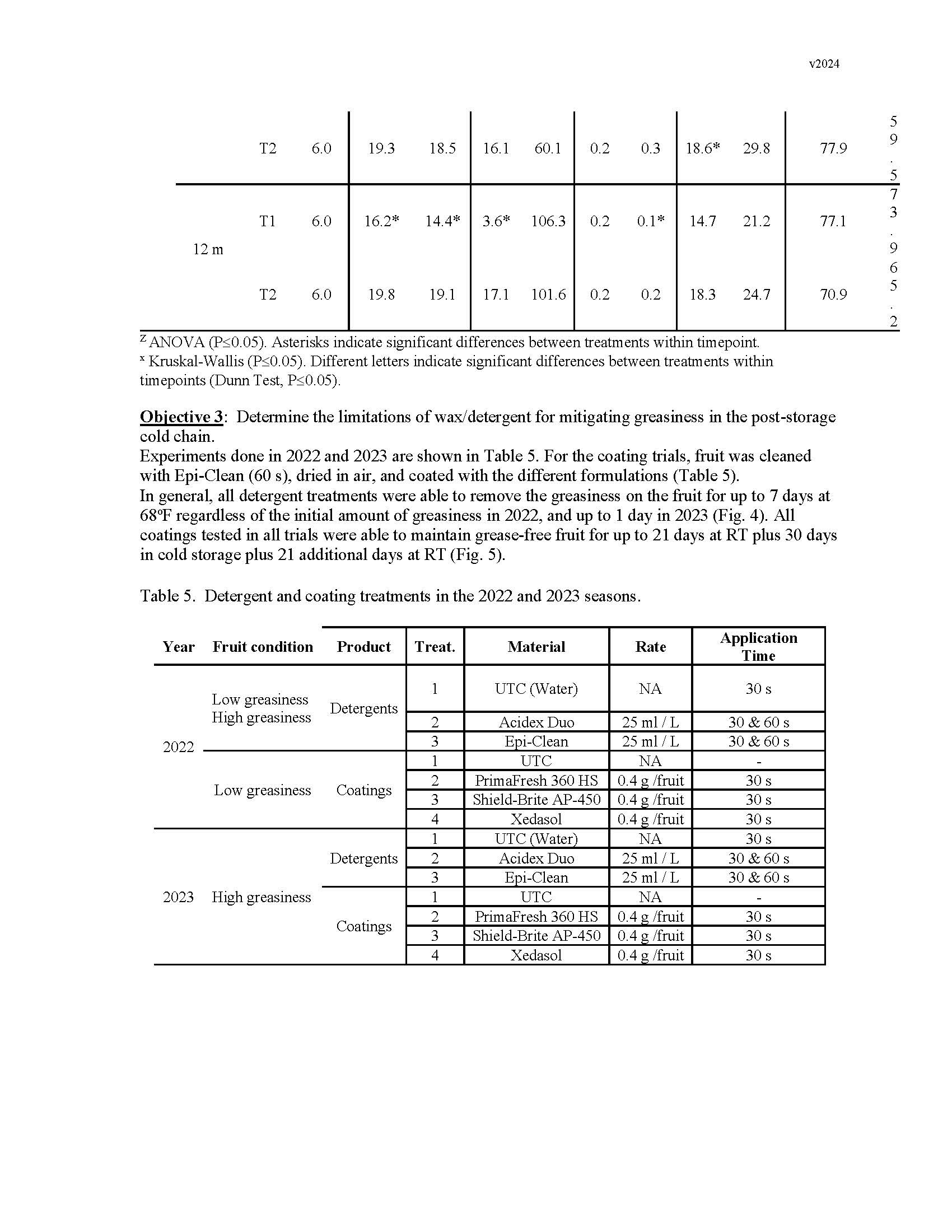
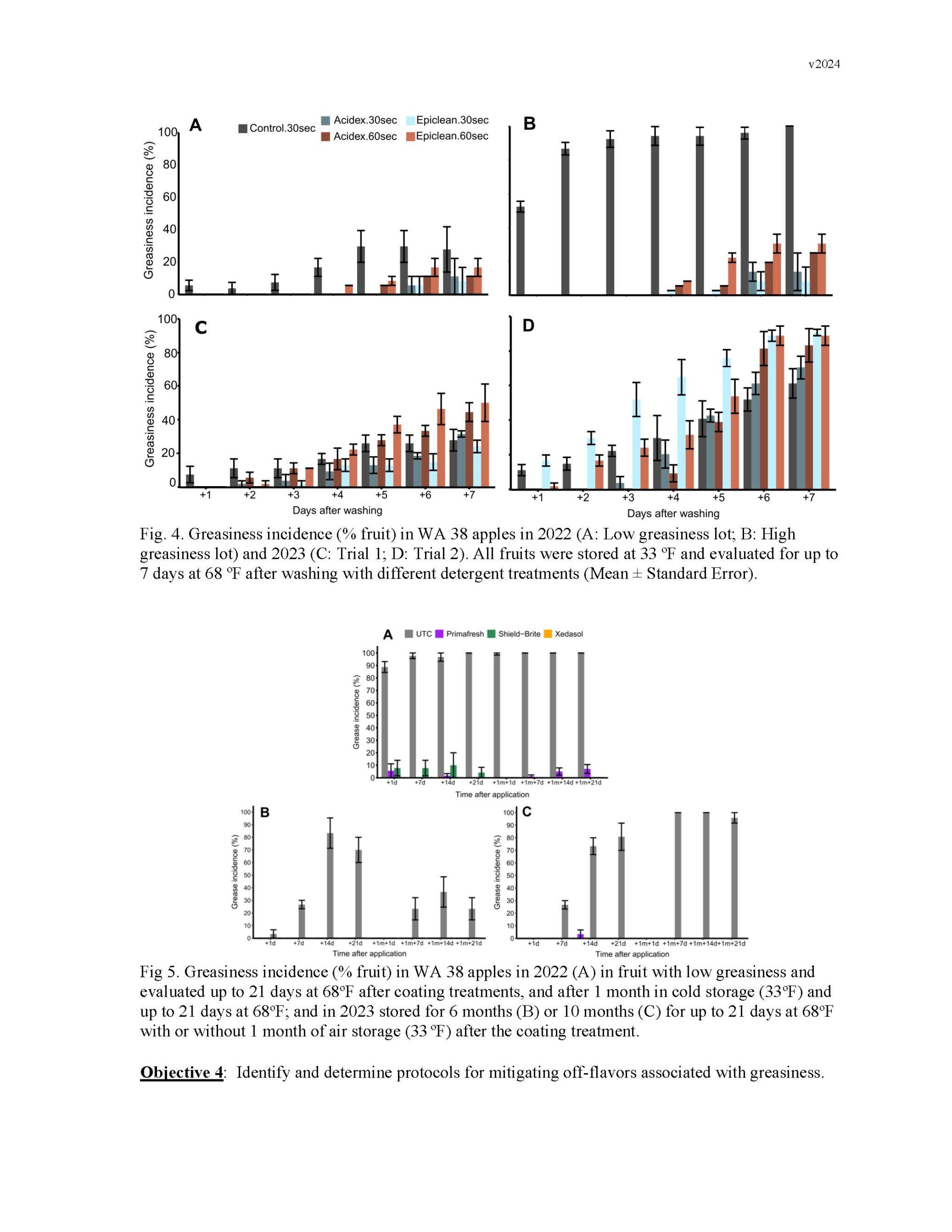
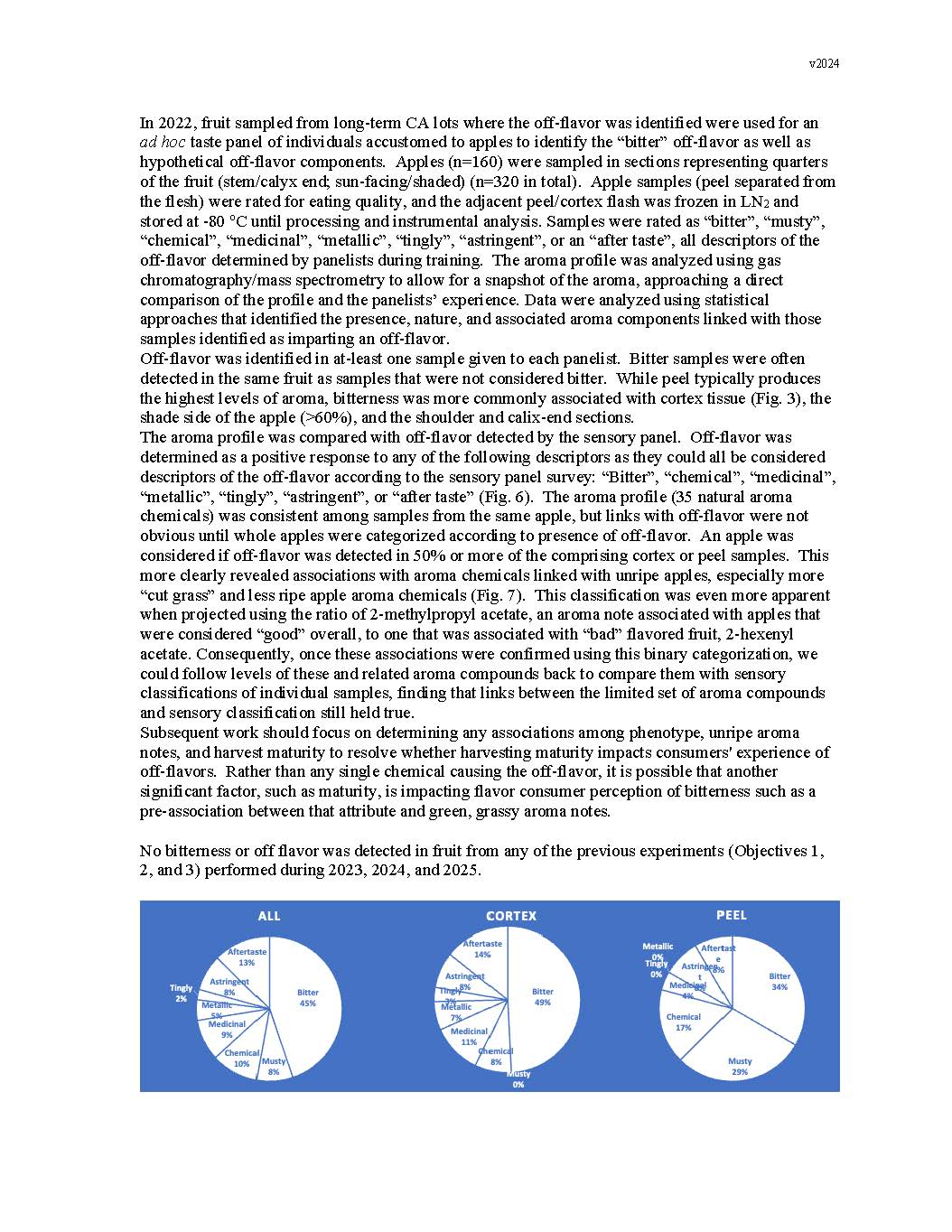
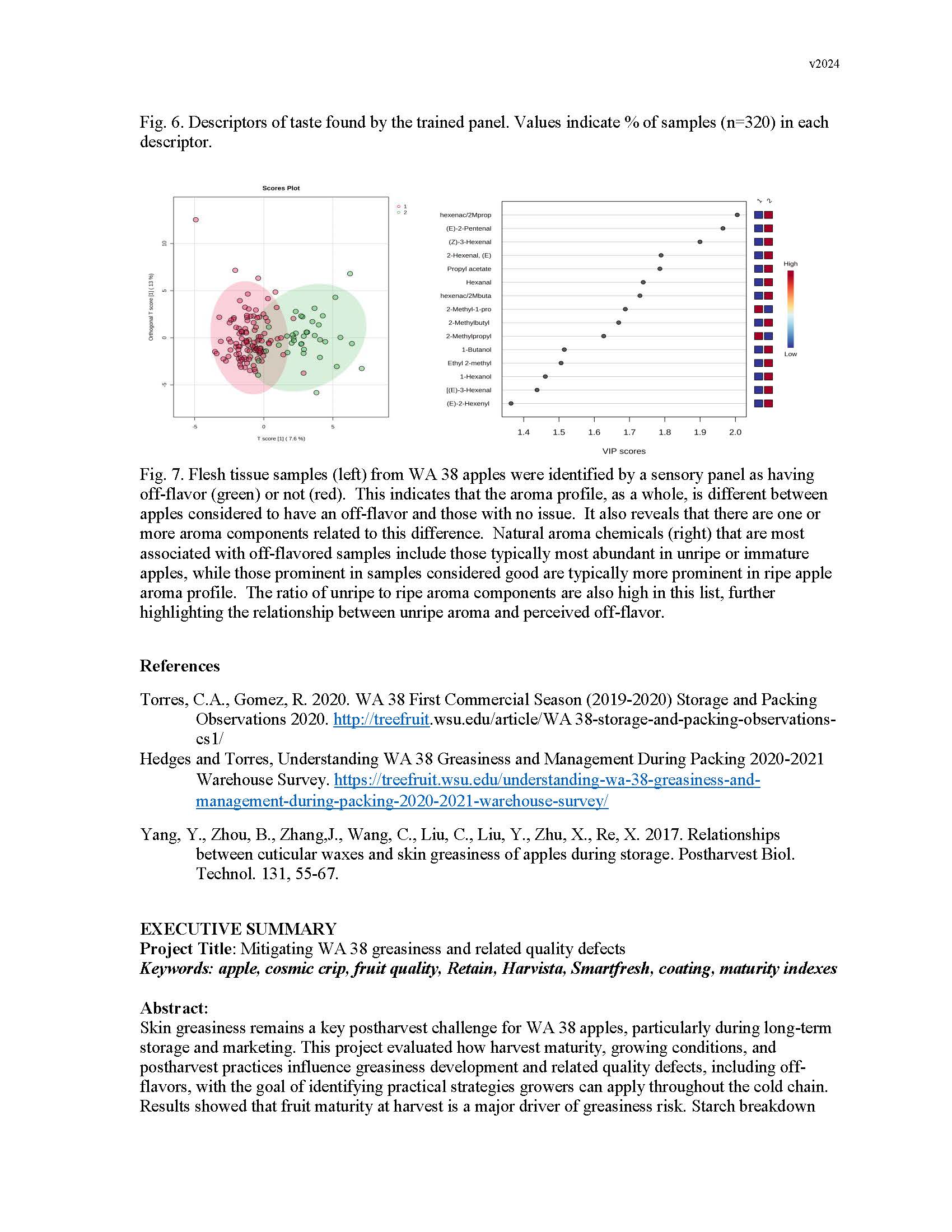
Summary: Skin greasiness remains a key postharvest challenge for WA 38 apples, particularly during long-term storage and marketing. This project evaluated how harvest maturity, growing conditions, and postharvest practices influence greasiness development and related quality defects, including off-flavors, with the goal of identifying practical strategies growers can apply throughout the cold chain. Results showed that fruit maturity at harvest is a major driver of greasiness risk. Starch breakdown v2024 progressed differently among sites and seasons, largely due to temperature differences during the growing season. Warmer conditions led to faster starch degradation and greater variability in maturity at harvest, increasing the risk of greasiness. In contrast, cooler temperatures late in the season were associated with higher greasiness development. Storage conditions also influenced greasiness development. Fruit stored in regular air developed more greasiness than fruit stored under controlled atmosphere (CA). In all storage regimes, greasiness increased once fruit were removed from cold storage and placed into shelf-life conditions (7 days at 68°F). Ethylene management before and after harvest played an important role too. Retain® applications reduced greasiness at harvest and during cold storage for up to four months, with earlier applications (14–21 days before harvest) provided a better control. However, Retain® did not prevent greasiness development once fruit were removed from cold storage. Among postharvest treatments, a single application of Harvista™ combined with SmartFresh (SF) or SF alone reduced greasiness incidence during storage. During packaging, detergent washes were able to eliminate greasiness for 1–7 days before the reappearance of greasiness, while coatings helped maintain control during the cold chain, but neither approach fully prevented greasiness during shelf life. An off-flavor described as “bitterness” was most often detected in immature fruit and was linked to aroma profiles typical of unripe apples. Following recommended harvest maturity guidelines and avoiding immature fruit is the most effective way to reduce this off-flavor risk.